
Black/Latino Teens Show Strong Digital Literacy
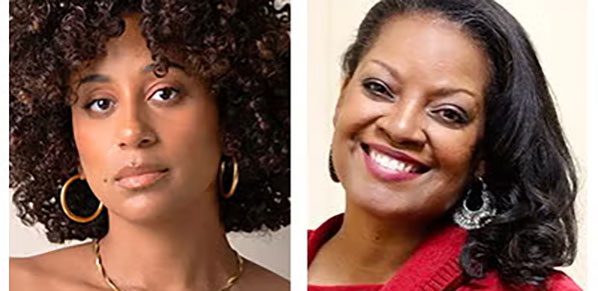
By David Danelski
A study by UC Riverside and USC education scholars found that Black and Latino teens report having significantly more digital literacy skills such as detecting online disinformation than their white peers—particularly content related to race and ethnicity.
These youth are not only quicker to identify false claims and racist propaganda, but also more likely to verify posts with credible sources and respond with corrective, fact-based content, the study found. According to the researchers, these skills are not being taught.
“This work reveals that adolescents of color are already engaging in sophisticated forms of digital literacy,” said Avriel Epps, an assistant professor in UC Riverside’s School of Education and lead author of the study. “They have developed these critical skills in many cases from their lived experiences navigating online racism, not necessarily from school-based instruction.”
Published in the journal New Media & Society, the findings run counter to long-held assumptions and earlier academic work asserting that Black teens are less digitally literate than other youths.
Epps said the study’s purpose was to explore a disconnect between such assumptions and a robust presence of Black and Latino youth culture influencers in various social media platforms.
“How is it that they are the ones who are producing the culture on these online spaces, and yet the literature and research are saying that they have less digital literacy than their white counterparts?” Epps asked rhetorically. “There seemed to be a bit of a mismatch there.”
Epps teamed up with Brendesha Tynes, a University of Southern California professor of education and psychology, who is the principal investigator of the National Survey of Critical Digital Literacy, a longitudinal research study examining the critical digital literacy skills among youth ages 11 to 19. It is funded by a Lyle Spencer Award to Transform Education provided by the Spencer Foundation.
As part of this initiative, more than 100 Black adolescents, alongside comparable numbers of Latino and white peers, were asked to report daily in diaries how often they analyzed, responded to, or ignored race-related digital content. Tynes and her research team collected these data, and Epps used them for an analysis that revealed racial differences in what the study defines as Critical Race Digital Literacy, or CRDL.
“It is essentially being able to recognize, critique, and evaluate digital media that young people consume with a lens that’s focused on race and how it manifests racism,” Tynes said.

The findings showed a clear pattern.
Many Black and Latino participants were more likely to challenge racist content by crafting their own social media posts that called out false information and by sharing articles from reputable sources to counter divisive narratives, the authors found.
“These teens are often doing this work for their communities,” Epps said. “It’s very possible they’re posting accurate information about social justice movements or correcting harmful stereotypes because they feel a sense of responsibility.”
The results suggest that the lived experiences of minoritized youths appear to make them savvier online.
“They keep their eyes open and are hyper vigilant,” Epps said. “They have absorbed these skill sets from having to navigate a world where a racial microaggression could happen at any time. So, it makes sense that would translate to their digital spaces.”
White youths were less likely to question misleading posts concerning race.
“This isn’t because they are less intelligent, but because they haven’t had to be as vigilant. They aren’t the targets of digital racism in the way that youth of color are,” Epps said.
The study’s findings run counter to research published in 2021 by the Stanford History Education Group (now called the Digital Inquiry Group) in which Black students scored significantly lower than other racial-ethnic groups when they were asked to analyze real-life digital media. However, this research did not examine their reactions related to race or racism.
Courtesy UCR
